


Narco Empire
4.8515.00 Reviews
App Specs
- Version
- 1.0.41
- Updated On
- License
- Free
- Downloads
- 1,000,000+
- Developer
- Sparkhaven HK Limited
- Categories
- Strategy
- Platform
- Android
Screenshots



 Analysis by AppCompare
Before settling into its progression, I’d keep two practical questions in mind: does a slow, deliberate climb sound more appealing than constant tactical action, and are you comfortable with a mature criminal setting? Those answers shape whether the game’s central loop feels absorbing or like a mismatch. I’d also decide how I want to handle optional spending before opening any purchase prompts; that simple boundary makes it easier to judge the strategy on its own terms.
How to tell whether progress is meaningful
In a progression game, visible advancement can be satisfying without necessarily giving you better choices. I’d judge each improvement by asking what it changes about my next decision, not just whether it moves me closer to a larger number or a new milestone. That distinction helps keep the climb purposeful: if an upgrade leaves my plan unchanged, it may be less urgent than a quieter improvement that preserves options.
This is also a useful way to approach unlocks as they appear. Rather than treating every newly available choice as an instruction to act immediately, I’d compare it with the goal I set for the session. If it supports that goal, it may be worth pursuing; if it pulls me in a different direction, I can leave it for later. The habit is especially helpful when I only have a few minutes and do not want to turn a quick check-in into a string of unconsidered decisions.
Choosing the right kind of strategy game
Compared with the usual mobile strategy choices, this one is less suited to players who want battles to be the main event or who prefer a peaceful building project with a light tone. Its appeal rests on a specific rise-to-power fantasy and the feeling of managing progress toward authority. If I were choosing for a group of friends or a shared family device, I’d lean toward a less mature city builder; if I wanted fast tactical decisions, I’d choose a tactics game instead.
That comparison also clarifies who may enjoy it most: adults who like incremental management, a darker premise, and the option to think through a plan between brief sessions. It is not necessary to be a strategy veteran, but a willingness to pause and weigh priorities matters more here than quick reactions. If I wanted a game that explains itself through immediate action, I would look elsewhere.
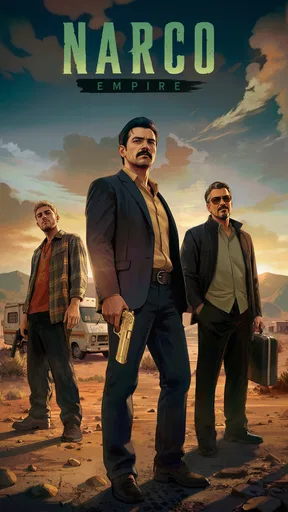
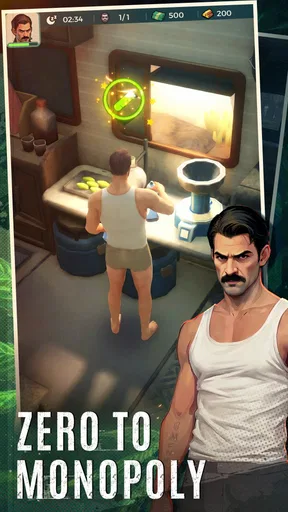
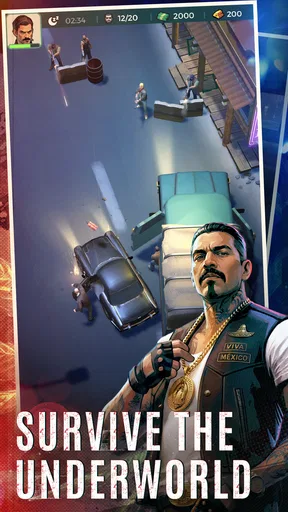
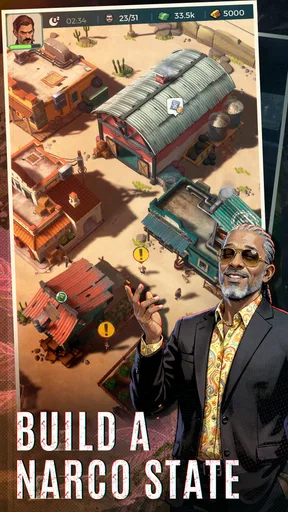
Narco Empire is a strategy game built around one clear fantasy: starting with very little influence and gradually taking command of a criminal empire. I found its appeal less in quick action and more in the steady pressure of deciding what deserves attention next. It asks you to think about growth, risk, and timing while presenting its mature subject matter in a way that is aimed firmly at adults.
That focus makes it easier to understand than many strategy games that throw several unrelated systems at the player. The central question is always practical: how do I turn a weak position into a stronger one without wasting resources or moving too quickly? I enjoyed that sense of direction, although it also means this is not the right choice for someone looking for a relaxed puzzle game or a purely cosmetic city builder.
Worth Reading Before You Choose

Flipboard Shows What News Apps Must Do Beyond the Feed

Switching to Android Auto Means Rethinking Your Driving Routine

Google Calendar Makes a Crowded Week Easier to Manage

Ludo King Makes the Most of the Minutes Between Plans

Baby Panda World Brings Quick Play to Modern Phones, but Its Game Library Feels Busy

ESPN’s Live Game View Makes Following Close Games Easier
Building power is the real hook
The most important capability here is the feeling of climbing through a hierarchy. You do not begin as an all-powerful commander. Progress feels more meaningful because each improvement is connected to the larger goal of controlling Narco Empire rather than simply collecting upgrades for their own sake. That gives ordinary decisions a useful context: a small gain matters because it can support the next stage of expansion.
In practice, I treated every new advantage as part of a chain. Improving one area can make the next decision easier, but spending too aggressively can leave the rest of the operation feeling unbalanced. This is where the game’s strategy identity becomes clear. It rewards players who pause to consider consequences instead of tapping through every available option immediately.
The criminal setting also changes how the progression feels. This is not a cheerful management game dressed up with a few serious words. The mature tone is central to the presentation, and the content rating is Mature 17+. I would not install it on a child’s device or recommend it to anyone who prefers strategy without criminal themes.
What I liked most was the way the climb creates a natural reason to keep playing. I was not simply chasing a high score after every session; I wanted to see whether a cautious decision would give me more room later. That is a stronger motivation than a short burst of novelty, especially for players who enjoy planning over reflexes.
How the climb works during ordinary play
A useful way to approach the game is to divide each session into three mental steps: check the current position, identify the next meaningful improvement, and only then spend what you have available. This sounds simple, but it prevents a common mistake in progression-focused strategy games: using resources on whatever button happens to be highlighted first.
I found that short sessions work well when I already knew my immediate objective. For example, if I wanted to strengthen my position before expanding, I could open the game, review what had changed, and make one or two deliberate decisions without treating the session like a race. That makes it suitable for a quick break, provided you are comfortable stopping before every possible action is complete.
A longer session feels different. With more time, I could compare several possible directions and think about which one would keep future choices open. That is where the game feels more strategic than a simple upgrade ladder. The best move is not always the one that produces the most visible progress right away; sometimes preserving flexibility is more valuable.
My first practical tip is to avoid spending simply because you can. When a game is built around upward momentum, it is tempting to convert every available resource into immediate progress. I had better results when I treated reserves as protection against an awkward next step. The exact value of that caution depends on the situation, but the habit makes the experience less frustrating.
My second tip is to use the end of a session as a planning point. Rather than closing the game immediately after an upgrade, I would look at what that decision made possible and choose a likely next target. That small routine reduced aimless tapping when I returned later and made short play sessions feel connected.
The version I reviewed is 1.0.41, and it runs on Android devices using version 6.0 or later. That broad compatibility is helpful if you are using an older phone, though strategy games can still feel less comfortable on a small or slower screen. I would check that the device handles the interface comfortably before committing to long sessions.
A realistic everyday use case
Imagine having ten minutes before leaving for work. This is a good moment to open the game if you already understand your current objective. I would review the available choices, make a conservative improvement, and stop once the next decision required more attention. The session still feels productive because it advances a larger plan rather than demanding a complete campaign in one sitting.
After dinner, the same game supports a more thoughtful routine. With more time, I could examine whether my earlier choice created a stronger position or merely made the next upgrade look attractive. That contrast is important: the game works for brief check-ins, but it becomes more satisfying when I occasionally give it enough time to think through a sequence instead of treating it like a notification-driven task.
I would not recommend it for a commute if you need a game that is immediately understandable without concentration. The mature setting and strategic progression require some attention, and a distracted session can make decisions feel arbitrary. For travel, a simpler arcade or puzzle title may be a better fit.
Where the trade-offs become noticeable
The strongest trade-off is between momentum and patience. The game wants you to feel that your empire is growing, but a player who constantly pursues the next visible reward can lose the satisfaction of making a considered plan. I enjoyed it more when I accepted that not every session had to produce a dramatic leap.
There is also a financial consideration. The game is free to download, but optional in-app purchases range from $0.99 to $199.99 per item. That is a wide range, so I would approach the purchase screen carefully and decide in advance whether I want to spend anything. Players who dislike any pressure around optional spending should be especially cautious, even if they intend to play without buying.
My third practical tip is to separate progress decisions from purchase decisions. If the game presents an appealing shortcut, I would first ask whether it solves a real problem in my current strategy or merely makes the next minute feel faster. Waiting before spending helps keep the game’s central planning challenge intact and makes it easier to judge whether an upgrade is genuinely useful.
The mature theme is another limitation rather than a minor detail. Someone searching for a family-friendly strategy game should skip this one, regardless of how much they enjoy management mechanics. The subject matter shapes the identity of the game, so it cannot simply be ignored while playing.
Players who prefer transparent, traditional strategy may also want to compare it with a historical strategy game, a clean city builder, or a turn-based tactics title. Those alternatives usually place more emphasis on territory, logistics, or combat decisions. Narco Empire is a better match when the fantasy of rising through an underworld hierarchy is the part that interests you most.
Who gets the most from it
I think the ideal player is someone who enjoys gradual progression and likes asking, “What will this decision make possible later?” You do not need to be an expert strategist, but you should be willing to read the situation and resist automatic choices. The game is especially appealing if you enjoy management-style growth but want a darker setting than the usual farms, kingdoms, or futuristic colonies.
It also suits players who prefer flexible session lengths. A short check-in can work when you have a clear goal, while a longer session gives more room to compare options. That versatility is useful on a phone because it does not force every play period into the same shape.
I would skip it if you want a complete experience with no mature criminal atmosphere, if you dislike progression systems that encourage repeated returns, or if you want constant tactical action. I would also look elsewhere if you find broad in-app purchase ranges distracting. A different strategy game may offer a calmer presentation or a more clearly bounded structure.
The game comes from Sparkhaven HK Limited and has built a strong visible audience, with an average rating of 4.8 from around 60 thousand ratings and more than a million installs. Those figures suggest that the concept has connected with many players, but they do not replace personal fit. The dark theme and progression style matter more to my recommendation than popularity alone.
One detail I appreciated is that the game’s main idea is easy to explain to a friend without reducing it to a generic “build and upgrade” label. You are working toward authority in a specific criminal-world fantasy, and that identity gives the decisions more flavor. At the same time, the identity can narrow the audience: if the setting does not interest you, the underlying strategy may not be enough to carry the experience.
My final take
Narco Empire works best when I play it as a patient climb rather than a race for instant rewards. Its central strength is the connection between small decisions and the larger ambition of taking command. That makes each session feel like part of an ongoing plan, especially when I set a clear objective before opening the game.
Its weaknesses are equally clear. The Mature 17+ subject matter will rule it out for some players, and the optional purchases, including items reaching $199.99, deserve careful attention. It is also less suitable for people who want uncomplicated, family-friendly strategy or constant action.
For adults who like mobile strategy with a darker edge, I think it is worth trying because the progression has a distinct purpose instead of feeling like a collection of disconnected upgrades. I would start slowly, keep purchases separate from planning, and give the game enough attention to make deliberate choices. If that rhythm sounds enjoyable, Narco Empire offers a focused way to spend short breaks or longer evenings building influence one decision at a time.
Pros
- Strategic gameplay combines empire building
- resource management
- and territory expansion.
- Multiple upgrade paths let players develop their operations according to their preferred strategy.
- Short play sessions make it easy to check progress and complete tasks throughout the day.
- Competitive events and rankings add goals for players who enjoy testing their skills.
- The criminal-themed setting gives the game a distinctive atmosphere compared with typical city builders.
Cons
- Progress may become heavily dependent on timers
- upgrades
- and repeated resource collection.
- Frequent notifications can feel intrusive if you prefer a quieter mobile gaming experience.
- The interface may seem crowded while learning the many menus and management systems.
- Competitive features can favor players who spend money on faster progression or extra resources.
- The mature crime theme and violence may not be suitable for younger players.
FAQs for Narco Empire
What is Narco Empire and what kind of game is it?
Narco Empire is a strategy and management game centered on building and expanding an underground criminal empire. Players typically manage resources, develop operations, recruit or upgrade characters, and compete for influence. Its gameplay combines progression, planning, and territory or business management, so it is better suited to players who enjoy long-term strategic decisions than those looking for a fast-paced action game.
Is Narco Empire free to download and play?
Narco Empire can generally be downloaded without an upfront purchase, but the game may include optional in-app purchases. These purchases can provide premium currency, speed up upgrades, unlock additional content, or offer other progression benefits. You can usually play without spending money, although advancement may take more time and some features may be promoted through limited-time offers or paid bundles.
Does Narco Empire require an internet connection?
An internet connection is likely required for most important features in Narco Empire, especially account synchronization, events, competitions, purchases, rankings, and communication with the game servers. Offline access may be limited or unavailable, and progress might not update correctly without a stable connection. For the best experience, use reliable Wi-Fi or mobile data and keep the app updated.
Is Narco Empire suitable for children?
Narco Empire focuses on criminal organizations, illegal businesses, conflict, and other mature themes. Depending on the version and platform rating, it may also contain violence, suggestive references, gambling-style mechanics, advertisements, or in-app purchases. Parents should check the official age rating, review the privacy and purchase settings, and consider using device-level parental controls before allowing younger players to install it.
Can progress in Narco Empire be saved and transferred between devices?
Progress is usually connected to an in-game account or the platform account used during setup, but the exact backup and transfer options can vary by device and version. Before changing phones or reinstalling the game, link your progress through the available login method and avoid playing as a temporary guest. If your progress disappears, contact the developer’s support team with your player ID and purchase details.


